

-
By magnet
-
August 20, 2026
- 0 Comment
Understanding Industrial Permanent Magnets: From Principles to Practical Implementation
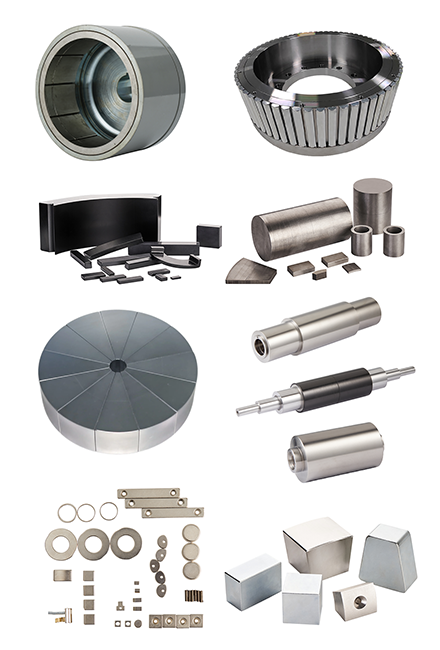
With the rapid iteration of high‑end equipment, special‑purpose motors and precision transmission systems, permanent‑magnet technology has become a core underlying technology for equipment upgrading. As critical core components in high‑end machinery, permanent‑magnet rotors, Halbach magnetic assemblies and magnetic couplings are widely adopted in special‑purpose motors, industrial transmission systems, new‑energy equipment, precision instruments and other fields. Many R&D engineers are proficient in drawings and simulation, yet lack sufficient practical knowledge of manufacturing, assembly and commissioning for permanent‑magnet assemblies, which delays project progress. This article covers basic background, common industry pain points, manufacturing challenges and selection guidelines to help readers understand permanent‑magnet assemblies and learn how to choose a reliable manufacturing partner.

I. Three Core Permanent‑Magnet Assemblies and Their Respective Functions
1. Permanent‑Magnet Rotor: The “Heart” of Permanent‑Magnet Motors
The permanent‑magnet rotor is the core component for energy conversion in permanent‑magnet motors. It generates excitation magnetic fields via permanent magnets. Compared with traditional electrically‑excited rotors, it delivers higher power density, lower losses and a more compact structure.
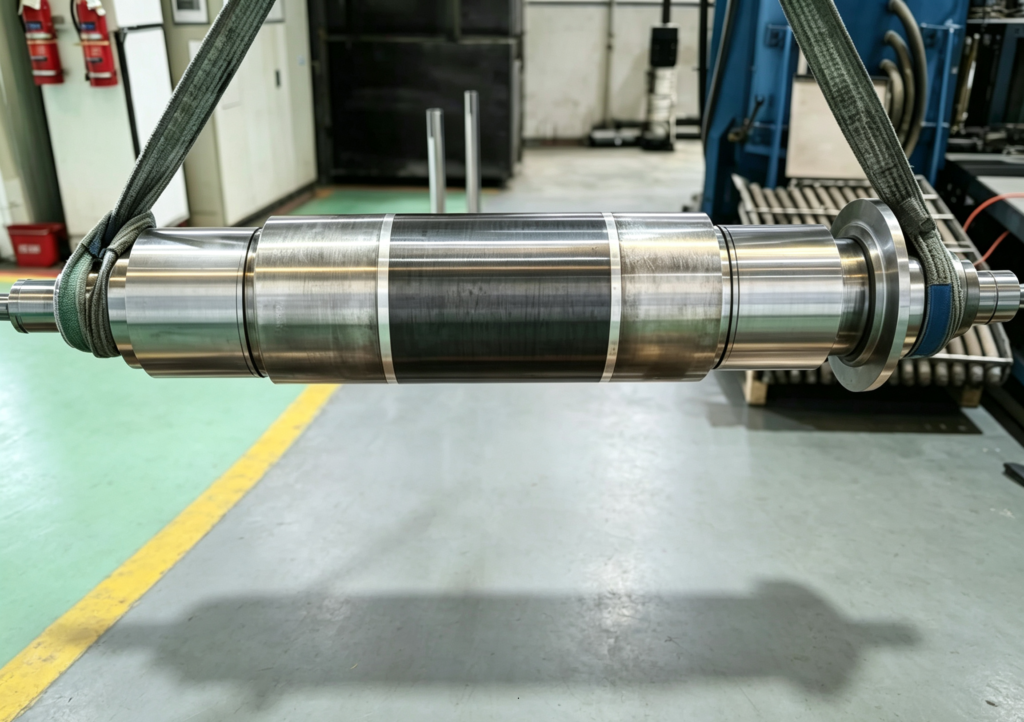
A rotor is far more than simply bonding magnet blocks onto a shaft. Magnet grade selection, magnet positioning, bonding processes, sheath assembly and dynamic‑balancing correction all directly affect motor efficiency, vibration‑noise performance and high‑speed operational reliability. Under high‑speed conditions, concentricity errors and run‑out deviations are multiplied, leading to bearing wear, excessive vibration and even rotor‑stator rubbing in severe cases. High‑power rotors impose stricter requirements for magnet protection, structural strength and high‑speed stability.
2. Halbach Array: An Ingenious Magnetic‑Circuit Design, Not a New Type of Magnet
Many mistake the Halbach array for a special magnetic material. In fact, it is a magnet‑arrangement scheme: multiple permanent‑magnet segments are rotated and placed at specific angles to concentrate and strengthen magnetic fields on one side while largely canceling magnetic flux on the opposite side for extremely low magnetic leakage, yielding a near‑ideal single‑sided magnetic field.
With identical magnet consumption, it achieves higher air‑gap magnetic flux density and allows simplified back‑iron structures for lighter‑weight equipment. Its magnetic waveform approximates a sine curve, lowering torque ripple and reducing equipment vibration and noise. Therefore it is widely used in high‑performance permanent‑magnet rotors, magnetic couplings and linear motors as well as precision inspection equipment.
Nevertheless, significant engineering barriers exist behind these advantages. Each magnet segment requires a distinct magnetization angle, calling for custom‑designed magnetizing tooling and assembly jigs. After magnetization, strong repulsive and torsional forces act between magnet blocks. Magnet offset or chipping frequently occurs during assembly, demanding high‑level craftsmanship, custom tooling and hands‑on operational expertise for high‑precision assembly.
3. Magnetic Coupling: Key Component for Non‑Contact Power Transmission
Magnetic couplings transmit torque through magnetic fields without physical contact. They enable isolated sealing, overload protection and soft start‑up, resolving drawbacks of conventional mechanical couplings such as wear, leakage and rigid impact. They are suitable for sealed chambers, corrosive media, explosion‑proof and other demanding working conditions.
Transmitted torque magnitude, torque stability and demagnetization resistance depend on magnetic‑circuit design, magnet material selection and assembly concentricity. Misalignment or displacement of magnets directly causes insufficient torque, transmission failure or even magnet demagnetization and permanent damage.

II. Common Industry Pain Points: Good Drawings, Difficult On‑Site Assembly
Numerous equipment‑development enterprises face the same dilemma: R&D teams complete simulation calculations and deliver full‑set drawings, yet in‑house capability for professional permanent‑magnet‑assembly integration is absent.
- Special magnet properties create high assembly risks Permanent magnets are brittle materials. Strong magnetic forces generate powerful attraction and repulsion. Minor mishandling during assembly may chip or crack magnet blocks and result in costly material scrap. Forced assembly can also shift magnets and produce uneven adhesive‑layer thickness, raising risks of magnet detachment during later operation. Halbach arrays are especially problematic due to multi‑dimensional repulsive forces between magnets; standard tooling cannot provide proper positioning. In‑house trial‑and‑error development incurs substantial failure costs.
- Micro‑level tolerances exert huge impacts on complete‑machine performance Magnetic‑field variance, concentricity, run‑out and other geometric tolerances are measured at the micrometer scale. Poor magnetic‑field uniformity causes torque fluctuation. Excessive concentricity and run‑out errors amplify vibration and noise at high rotational speeds and drastically shorten bearing service life. Many companies purchase separate magnet blocks and mechanical parts for self‑assembly to cut apparent costs, only to discover unsatisfactory overall‑machine performance after assembly. Rework cycles are lengthy and severely hold back project timelines.
- Over‑reliance on drawing parameters while ignoring practical engineering experience Many engineers assume finished‑product compliance is guaranteed as long as magnet specimens meet drawing specifications. In reality, incoming‑part tolerances, adhesive curing procedures, fixture positioning and dynamic‑balancing correction all alter final assembly performance. Ideal simulation conditions can hardly be reproduced one‑to‑one in physical production and demand process compensation built on extensive project experience.
Many new clients report satisfactory simulation results; however, self‑sourced component assembly and repeated debugging fail to reach target metrics. Projects stall at the permanent‑magnet‑assembly stage, delaying prototype validation and mass‑production preparation.

III. Selecting Permanent‑Magnet‑Assembly Suppliers: Do Not Rely Solely on Quotation Comparison
Permanent‑magnet assemblies are custom high‑precision components. Simple price comparison is not recommended. Evaluate the following core strengths:
- In‑house full‑process production; avoid outsourced subcontracting The complete workflow — magnet‑grade selection, mechanical‑part machining, magnet assembly, adhesive curing, magnetic‑field testing, geometric‑tolerance inspection and dynamic‑balance testing — should ideally be performed within the supplier’s own facility. When multiple steps are outsourced, consistent process standards and batch‑to‑batch repeatability become hard to secure, and accountability becomes ambiguous once defects occur.
- Proven track‑record of complex and high‑power project deliveries Prototype capability differs greatly from stable serial production of high‑power products. Prioritize manufacturers with proven references for comparable operating‑condition applications to mitigate R&D trial‑and‑error risks.
- Quantifiable process accuracy supported by metrology Focus on verifiable measurable indicators: magnetic‑field uniformity control, concentricity, run‑out tolerances and dynamic‑balance grades. Confirm that the factory possesses corresponding inspection equipment instead of accepting verbal assurances.
- Support for on‑site factory audits to visualize manufacturing workflows Many permanent‑magnet‑assembly techniques stem from custom tooling and accumulated practical know‑how. Visiting the facility to observe jigs, assembly workflows and inspection procedures offers direct insight into real‑world manufacturing competence. On‑site factory visits are common practice among new customers.
IV. Hangzhou CJL Magnet Power : Permanent‑Magnet‑Assembly Manufacturing
Hangzhou CJL Magnet Power is an original‑equipment manufacturer specializing in R&D, production and assembly of complete permanent‑magnet assemblies. All processes including permanent‑magnet production, precision mechanical‑part machining, magnet‑component assembly and performance testing are accomplished in‑house without outsourcing or reselling intermediaries.
We have overcome major assembly challenges for Halbach arrays and high‑power permanent‑magnet rotors. Self‑developed custom jigs eliminate magnet offset and cracking caused by strong magnetic forces during assembly. Magnetic‑field deviation is controlled within 1%, while geometric tolerances such as concentricity and run‑out can reach 0.008 mm. We support new‑product R&D prototyping and small‑batch trial runs, with mature manufacturing experience for 2 MW high‑power rotors and 1 MW Halbach‑array rotors. A broad portfolio of cross‑industry project references is available for review.
We fully understand how valuable R&D project timelines are. Many customers lack internal professional permanent‑magnet‑assembly capabilities and waste substantial time through repeated trial‑and‑error. Beyond delivering physical components, CJL Magnet provides one‑stop supporting services for permanent‑magnet assemblies: drawing review, process assessment, prototype development and serial‑volume manufacturing. We help customers bypass assembly pitfalls and accelerate project execution.
If you are searching for a competent permanent‑magnet‑assembly manufacturer with practical assembly know‑how and proven deliverables, please contact Hangzhou CJL Magnet Power. Access real‑world project references and schedule an on‑site factory tour. Our one‑stop permanent‑magnet manufacturing service facilitates efficient advancement of your equipment projects.