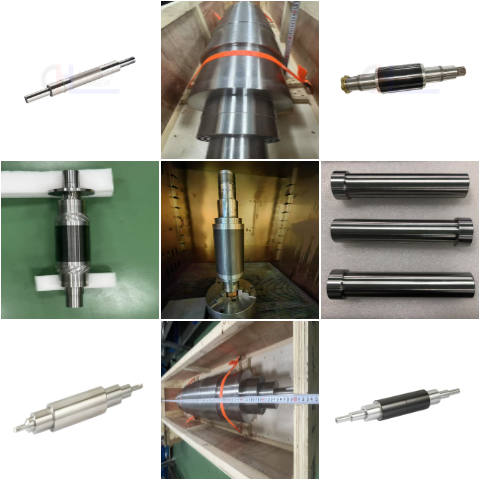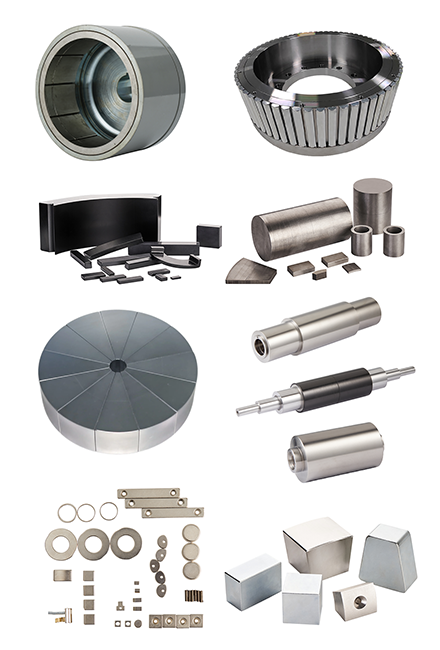

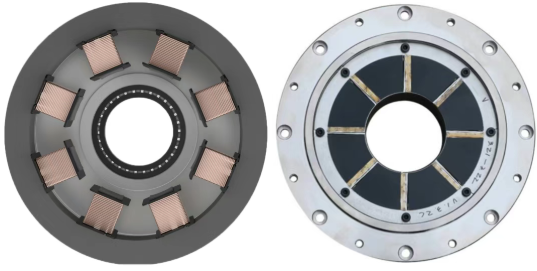
-
By magnet
-
June 11, 2026
- 0 Comment
Industry Insights: For 90% of People Choosing a Suspension Blower, Looking at the Rotor Is Enough
Anyone working in environmental water treatment, chemical processing, MVR evaporation, industrial air supply, and similar industries knows this: in today’s energy-saving upgrades, old Roots blowers and geared centrifugal blowers are basically being phased out. The mainstream choices are now only two types: magnetic suspension blowers and air suspension blowers.
Many people get caught up in surface-level parameters such as air pressure, flow rate, price, and overall machine size. But in the industry, the real core selection logic comes down to just one thing: the rotor’s suspension method and operating characteristics.
Overall machine parameters are only auxiliary matching conditions. The rotor structure, suspension principle, wear characteristics, and load-bearing capacity are the real key factors that determine whether the equipment fits your operating conditions, how many years it can be used, and whether it will save money in later maintenance. This article focuses only on the essentials, simplifying secondary parameters to help you choose accurately.
1. First Focus on the Core: The Essential Difference Between the Two Rotors
1.Magnetic Suspension Rotor: Actively Electronically Controlled Suspension, a Truly Loss-Free Rotor
Core operating logic: suspend first, then rotate.
A magnetic suspension rotor is equipped with dedicated electromagnets, displacement sensors, and an intelligent controller. It is an actively controlled rotor. When the equipment starts, the control system first uses a magnetic field to fully lift the rotor, suspending it away from the bearing contact surface. Only after confirming there is no contact does it drive the rotor to rotate.
Throughout the entire speed range, from low speed to medium speed to high speed, there is zero contact and zero friction. The rotor itself has no physical wear. This is its most important industry advantage. At the same time, the sensors correct the rotor position in real time at the micron level, allowing it to handle fluctuations in working conditions while maintaining extremely stable operation.
Core rotor characteristics: resistant to frequent starts and stops, resistant to heavy loads, resistant to fluctuations, zero wear, and long service lif
2. Air Suspension Rotor: Passive Air-Film Suspension, Naturally Subject to Start-Stop Wear
Core operating logic: rotate first, then suspend.
An air suspension rotor has no electronically controlled suspension structure. It relies on high-speed rotation to compress air and form an air film that supports itself. It is a passive mechanical rotor. During the key stages of low-speed acceleration at startup and deceleration during shutdown, the air film cannot form, so the rotor directly rubs against the foil bearing.
Only after reaching the rated high speed can a stable air film form and achieve non-contact operation. Simply put, its suspension is “forced into existence by speed.” Every startup and shutdown causes wear to the rotor and the foil bearing.
Core rotor characteristics: unsuitable for frequent starts and stops, sensitive to fluctuations, suitable for light-load conditions, and subject to consumable wear.

2. Select According to Operating Conditions, with the Rotor as the Core
Choose a Magnetic Suspension Rotor in These Scenarios
As long as your operating conditions match any of the following, there is no need to compare other parameters. Choose magnetic suspension directly. This is determined by the rotor characteristics, and there is no substitute:
- Frequent start-stop conditions: intermittent aeration in chemical processes, staged fermentation in food production, intermittent operation of MVR evaporation, and time-segmented production line operation.
Air suspension rotors cannot withstand repeated friction and will wear out or fail in a short time. - High-power, high-pressure, heavy-load conditions: large municipal wastewater treatment plants, centralized water treatment in industrial parks, sludge drying, hazardous waste concentration, and air supply for mine flotation.
Magnetic suspension rotors have strong load-bearing capacity and do not shake or deform under heavy loads. - Large fluctuations in operating conditions: changes in aeration tank water level, unstable pipeline pressure, and frequent air-volume adjustment needs.
Magnetic suspension rotors can intelligently adapt and adjust, maintaining stable operation without deviation. - Long-term production with low maintenance requirements: projects planned for more than 10 years of use, where frequent disassembly, parts replacement, and downtime maintenance are undesirable.
Magnetic suspension rotors have almost zero wear, and the main unit can last over 15 years.
Choose an Air Suspension Rotor in These Scenarios
Air suspension rotors are only suitable for stable, light-load conditions. If the following scenarios fully match your needs, they offer the best cost performance:
- Continuous 24-hour year-round operation with very few starts and stops: small township wastewater stations, integrated water treatment equipment, and small aquaculture aeration systems.
- Medium-to-small power, light-load, low-pressure requirements: small food fermentation, micro wastewater aeration, and ordinary workshop air supply.
- Short-term projects with limited budgets and acceptable routine maintenance: projects where replacing foil consumables every 2–3 years is acceptable and there is no requirement for ultra-long equipment service life.
3. Overall Machine Parameters Are Only Auxiliary References
Many people reverse the priorities when selecting equipment. They first look at air flow, air pressure, power, and price. In reality, these are all auxiliary matching items. Their priority is always lower than the rotor’s core characteristics.
1. Air Flow and Air Pressure: Just Meet the Basic Working Conditions
Both machine types can cover common operating parameters. If the parameters do not match, they can be adjusted through model specifications. But if the rotor characteristics do not match your operating conditions, even suitable parameters will still lead to frequent equipment failures and sharply reduced service life.
2. Equipment Price: Look at Long-Term Cost, Not Unit Price
The unit price of an air suspension blower is relatively low, but the rotor has ongoing consumable wear, resulting in higher long-term maintenance costs. A magnetic suspension blower requires a slightly higher initial investment, but the rotor has zero wear, no consumables, and no need for frequent maintenance, resulting in lower life-cycle cost.
3. Noise and Energy Saving: Basic Performance Is Similar
Both types of suspension blowers save about 30% more energy than traditional Roots blowers. They are low-noise and oil-free. The difference in basic performance is very small, so these factors should not be used as the core basis for selection.
4. The Ultimate Industry Selection Rule
Look at the operating conditions, focus on the rotor first, then look at the parameters.
- Frequent starts and stops, heavy-load high-pressure conditions, and long-term stable production
→ Choose a magnetic suspension rotor: stable, durable, and maintenance-free. - 24-hour non-stop operation, small light-load conditions, and controlled budget
→ Choose an air suspension rotor: high cost performance.
5. Selection Summary
The core of suspension blower selection has never been about the level of overall machine parameters. It is about whether the rotor suspension mechanism matches the on-site process. Parameters are the “matching tools,” while the rotor is the “foundation of the equipment.”
Experienced professionals always first determine the rotor type based on operating conditions, then fine-tune specifications using air flow, air pressure, power, and other overall machine parameters. This avoids underpowered equipment, premature aging, and budget waste, while accurately matching project needs. This is the professional core logic of industrial equipment selection.