

-
By magnet
-
September 18, 2026
- 0 Comment
High‑Temperature Rotor Must‑Read! Selection Pitfalls of Built‑In High‑Temperature‑Resistant Magnets – Wrong Selection Causes Direct Shutdown & Failure!
In core industrial working conditions such as permanent‑magnet motor rotors, high‑speed rotating shafts, industrial permanent‑magnet equipment and high‑temperature fan motors, built‑in high‑temperature‑resistant magnets for high‑temperature rotors serve as critical components for stable power output and long‑term reliable operation of equipment. Continuous high‑speed rotation and operation in enclosed cavities generate cumulative high temperature inside the rotor, making its actual internal operating temperature far higher than the ambient temperature in workshops. For numerous industrial equipment faults including unexpected shutdown, power attenuation, insufficient torque and sharp service‑life reduction, after eliminating mechanical wear and circuit failures, the root cause mostly lies in demagnetization failure induced by improper magnet selection.
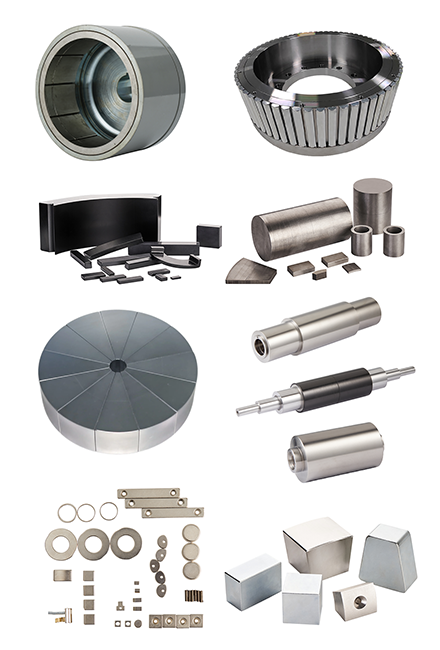
Most industrial manufacturers, equipment purchasers and engineering technicians only focus on magnet magnetic force magnitude and procurement unit price when selecting magnets for high‑temperature rotors. In pursuit of low cost and strong magnetic force, they completely ignore the adaptability to actual high‑temperature working conditions of equipment and fall into multiple selection pitfalls. Consequences include irreversible magnet demagnetization, overall rotor demagnetization, degraded motor performance, frequent equipment shutdown, production‑line interruption, complete‑machine rework and high operation‑maintenance costs. This article deeply analyzes four common fatal selection pitfalls for magnets used in industrial high‑temperature rotors and disseminates professional knowledge for selecting high‑temperature‑resistant magnets. Meanwhile, Hangzhou CJL Magnet Power provides customized solutions of special high‑temperature‑resistant magnets for high‑temperature rotors suitable for full‑range temperature working conditions, fundamentally solving problems of high‑temperature demagnetization and equipment failure.

I. Four Fatal Selection Pitfalls of Magnets for High‑Temperature Rotors That 90% of Users Have Encountered
Magnet failure under high‑temperature conditions seldom occurs abruptly; instead, it is a hidden long‑term hazard stemming from oversights in the selection phase. The four pitfalls below are major culprits for equipment failure:
Pitfall 1: Confusing Curie Temperature with Maximum Operating Temperature
This is the most prevalent and fatal error in selecting high‑temperature‑resistant magnets for high‑temperature rotors. Many users mix up Curie temperature and maximum continuous operating temperature, mistakenly taking Curie temperature as the high‑temperature resistance limit of magnets. In fact, they differ greatly in performance definition and application criteria. Curie temperature refers to the critical temperature at which magnets lose magnetism completely. It generally presents a high value and only acts as a reference parameter for material properties. By contrast, maximum continuous operating temperature represents the safety threshold at which magnets maintain stable performance without irreversible demagnetization under high‑temperature, high‑speed and continuous‑operation rotor conditions, and it constitutes the core basis for magnet selection.
For instance, N‑grade neodymium‑iron‑boron (NdFeB) magnets feature a Curie temperature above 310 °C, seemingly delivering excellent high‑temperature resistance. Nevertheless, their actual maximum continuous operating temperature is merely 80 °C. When applied to high‑temperature rotor equipment, long‑term over‑temperature operation leads to sustained magnetic‑force attenuation and severe performance degradation even before reaching the Curie temperature, further resulting in insufficient rotor power, unstable motor rotational speed and equipment shutdown failure. Selecting magnets merely according to Curie temperature stands as the primary hazard triggering magnet failure in high‑temperature rotors.
Pitfall 2: Only Focusing on Magnetic‑Force Strength While Ignoring Coercivity and High‑Temperature‑Resistant Grades
Many engineering technicians and purchasers only compare remanence (Br) values in rotor‑magnet selection, falsely assuming that stronger magnetic force equates to better magnet performance. They overlook coercivity (Hcj), a core parameter, as well as professional high‑temperature‑resistant grades. However, high‑temperature rotors operate under complex conditions combining high temperature, high‑speed rotation and alternating magnetic fields. Ordinary magnets with high remanence show extremely poor high‑temperature stability and are susceptible to alternating‑field demagnetization and high‑temperature demagnetization. Take N52 magnet as an example: it delivers powerful magnetic force at room temperature yet bears no high‑temperature‑resistance property and is only suitable for room‑temperature equipment. By comparison, high‑temperature‑resistant grades such as SH, UH and EH show slightly lower magnetic force at room temperature but far superior magnetic‑force retention and anti‑demagnetization performance at high temperatures, making them dedicated choices for rotors in high‑temperature environments.
For high‑temperature rotors working under combined conditions of high speed, high temperature and alternating magnetic fields, anti‑demagnetization capability is far more important than magnetic‑force magnitude. If only magnetic force is considered without checking high‑temperature‑resistant grades and coercivity, equipment may run normally in the short term, yet magnet failure and equipment faults will inevitably occur under long‑term full‑load high‑temperature operation. This represents a common pitfall in industrial production.
Pitfall 3: Selecting Magnets Based on Ambient Temperature Without Reserving Temperature Margin
Many users select high‑temperature‑resistant magnets simply according to ambient room temperature in workshops, completely ignoring temperature‑rise superposition effects brought by enclosed rotor structures. Frictional heat and electromagnetic‑loss heat generated during high‑speed rotor rotation keep accumulating, pushing the actual internal rotor temperature 30‑80 °C higher than external ambient temperature. Under summer high‑temperature production or full‑load equipment operation, such temperature gap expands further and exceeds the tolerance range of ordinary magnets.
Clear requirements are specified in authoritative industrial‑selection standards: when selecting magnets for high‑temperature rotors, a safety temperature margin of 20‑30 °C shall be reserved on the basis of the maximum actual operating temperature of equipment. Critical‑point selection without safety margin seems to realize matched parameters and optimal cost; nevertheless, over‑temperature demagnetization and consequent equipment faults will definitely happen under full‑load operation.
Pitfall 4: Blindly Adopting Universal NdFeB Magnets for High‑Temperature Scenarios Without Matching Magnet‑Material Types
Permanent‑magnet materials suited for rotor working conditions vary across different temperature ranges. Applying general‑purpose NdFeB magnets without discrimination serves as a core cause of batch‑mode failures of large‑scale high‑temperature‑rotor equipment. Working‑condition‑oriented selection criteria are summarized as follows:
- For rotor working conditions below 80 °C: ordinary‑grade NdFeB delivers optimal cost‑performance;
- For medium‑high‑temperature rotor working conditions of 80‑150 °C: SH or UH high‑temperature‑resistant NdFeB must be adopted;
- For high‑end rotor equipment running continuously 24 h above 150 °C: ordinary NdFeB cannot satisfy requirements, and high‑temperature‑resistant materials such as NdFeB of grade EH/AH or 2:17 samarium‑cobalt (SmCo) magnets shall be chosen.
Blindly applying universal magnet materials regardless of working conditions will only give rise to rapid magnet failure and frequent equipment breakdowns.

II. Direct Hazards Caused by Improper Magnet Selection for High‑Temperature Rotors: More Than Just Shutdown
Numerous enterprises underestimate cascading hazards induced by improper magnet selection for high‑temperature rotors. Tiny built‑in magnets determine operational stability, service life and overall production cost of complete permanent‑magnet equipment. Losses stemming from wrong selection far outweigh the cost of magnets themselves:
- Frequent equipment shutdown: High‑temperature demagnetization brings about rotor magnetic‑force attenuation, decreased motor torque and unstable rotational speed, triggering equipment alarms and shutdown and interrupting continuous production‑line operation.
- Soaring operation‑maintenance costs: Magnets belong to built‑in components. Failure requires rotor disassembly and complete‑machine component replacement, consuming substantial time and labor. Frequent rework sharply raises labor and spare‑part costs.
- Greatly shortened equipment service life: Persistent unstable magnetic force results in abnormal motor load and aggravated heat generation, accelerating aging of core components including coils and bearings and cutting the complete‑machine service life by more than half.
- Severe production losses: Unexpected shutdown of industrial pipeline equipment leads to material waste and production‑schedule delays, inflicting direct economic losses on enterprises.
III. Dedicated High‑Temperature‑Resistant Magnet Solutions for High‑Temperature Rotors: Full‑Condition Adaptation & Anti‑Demagnetization at High Temperatures
Hangzhou CJL Magnet Power is founded by a PhD team from the Chinese Academy of Sciences and has finished customized processing of more than one thousand sets of rotors. Having in‑depth insights into prevalent selection pitfalls and diverse high‑temperature‑condition pain points in the industry, we launch a full series of dedicated high‑temperature‑resistant magnets for high‑temperature rotors. Eliminating high‑temperature defects of general‑purpose magnetic materials, our products precisely fit industrial rotor equipment with different temperatures, rotational speeds and specifications, fundamentally solving core problems including magnet high‑temperature demagnetization, rotor demagnetization and equipment shutdown failure and safeguarding stable operation of enterprise‑owned equipment.
✅ Core Product Advantages
- Accurate full‑temperature‑range adaptation avoiding selection deviation: Products cover gradient high‑temperature working conditions from room temperature up to 550 °C, including high‑grade high‑temperature‑resistant NdFeB (SH / UH / EH / AH) and 2:17 SmCo magnets. Selection strictly complies with industrial standards: actual operating temperature plus a safety margin of 20‑30 °C. Products perfectly fit permanent‑magnet motor rotors, high‑speed rotating shafts, industrial permanent‑magnet motors, high‑temperature‑fan rotors and other equipment.
- Superior high‑temperature stability with sustained magnetic‑force retention: Adopting advanced grain‑boundary‑diffusion technology and adding high‑performance rare‑earth modified elements, our magnets achieve greatly improved coercivity and anti‑demagnetization performance. They maintain extremely high magnetic‑force retention under high‑temperature, alternating‑magnetic‑field and high‑speed‑vibration conditions without demagnetization or failure during long‑term continuous operation, suitable for high‑intensity industrial scenarios.
- Precisely‑controlled parameters for outstanding adaptability: Built‑in magnets with customizable grades, dimensions and tolerances fit diverse rotor structures. High‑processing precision guarantees favorable fitting performance and prevents heat generation and performance loss caused by assembly gaps.
- High durability & corrosion resistance for harsh working conditions: Standard Ni‑Cu‑Ni multi‑layer electroplating and epoxy protective coating resist high‑temperature oxidation, moisture and corrosion, applicable to harsh industrial environments featuring enclosed space, high‑load and continuous operation.
- Optimized cost‑performance avoiding performance surplus: Professional engineers provide one‑on‑one selection service, preventing high‑temperature failure of low‑end magnets as well as cost waste caused by blind adoption of over‑high grades, balancing performance and economy.

IV. Simplified Magnet‑Selection Guidelines for High‑Temperature Rotors: Avoid Pitfalls Even for Novices
Based on years of industrial service experience, we sort out simplified and practical selection criteria applicable to 99 % of industrial rotor equipment to help users steer clear of selection traps and match proper high‑temperature‑resistant magnets for high‑temperature rotors:
- Operating temperature ≤ 80 °C: H/SH‑grade NdFeB for optimal cost‑performance.
- Operating temperature 80‑150 °C: SHT/UH‑grade NdFeB preferred for long‑term stability.
- Operating temperature 150‑180 °C: UHT/EH/AH ultra‑high‑temperature‑resistant NdFeB preferred.
- Operating temperature ≥ 180 °C: SmCo magnets are mandatory, featuring high coercivity, high Curie temperature and low temperature coefficient with irreplaceable high‑temperature performance.
- For all high‑temperature‑rotor equipment, reserve a 20‑30 °C safety temperature margin and avoid operation at critical temperature points.
Stable operation of permanent‑magnet equipment with high‑temperature rotors essentially depends on working‑condition adaptability of high‑temperature‑resistant magnets. Seemingly trivial selection pitfalls will gradually trigger a series of troubles such as equipment shutdown, production‑schedule delays and surging operation‑maintenance costs. Choosing proper dedicated high‑temperature‑resistant magnets for high‑temperature rotors does not mean raising equipment costs. Instead, it fundamentally evades failure risks, cuts operation‑maintenance losses, greatly extends the service life of complete equipment and helps enterprises realize cost reduction and efficiency improvement.
If your equipment suffers from rotor high‑temperature demagnetization, frequent shutdown, power attenuation or selection difficulties, feel free to contact us. We deliver full‑process services including one‑on‑one working‑condition assessment, accurate magnet selection, non‑standard dimension customization and mass production & delivery. We formulate exclusive high‑temperature‑resistant‑magnet solutions for high‑temperature rotors to thoroughly resolve magnet‑failure problems under high‑temperature conditions and help your equipment run more stably and production achieve higher efficiency.